
TL;DR
Table of Contents
CNTI’s Assessment
An open internet is critical to functioning, free societies. As governments around the world turn their attention to issues of internet governance — including efforts to tackle disinformation and protect user data — the risk of fragmented internet experiences increases. Some policies deliberately create fragmentation, and some policies result in fragmentation as an unintended consequence.
Policy deliberation: It is important that policy frameworks address the distinctions among different forms of fragmentation, the (limited) scenarios in which content fragmentation is justified and how to minimize the impact of fragmentation. To discourage fragmentation, internet regulation can focus on a number of intermediate goals, such as:
- Distributing power outside of governments and governmental organizations
- Discouraging corporate consolidation
- Promoting individual rights, especially regarding encrypted and personal data
- Promoting open and transparent standards that don’t lock people or publishers into specific platforms
Regulations should also account for the global nature of the internet, particularly when it comes to the rights of journalists — and the public — to communicate and share information within and across borders.
Journalistic concerns: Internet blocks and shutdowns make it challenging for news providers to both report and distribute their work. They also limit the public’s ability to access a range of information above and beyond what their government selects. An open internet is particularly important for people to access online-only and online-first media. In some cases, independent media can help raise awareness about internet censorship and technical issues that threaten an open internet.
Governance: Tech stakeholders can help protect a free and open internet by incorporating encryption into their products by default, participating in multistakeholder governance processes and supporting interoperable standards. Interoperability means that devices, platforms and applications made by different companies can work together, which in turn gives end-users more choice.
The Issue
In its earliest days, the rise of the global internet signaled a potential for free and open societies that would transcend borders, connect people through digital civic spaces and provide a global repository of information. The internet, as a public good, can provide access to reliable and independent news as well as exposure to diverse sources and perspectives. But amid new technologies, changing geopolitical contexts and threats of online abuse and disinformation, policymakers around the world are rethinking updates to internet governance models.
At the core of these discussions is who controls how the global internet functions. Often, this control is negotiated between governments and technology companies that preside over online spaces.
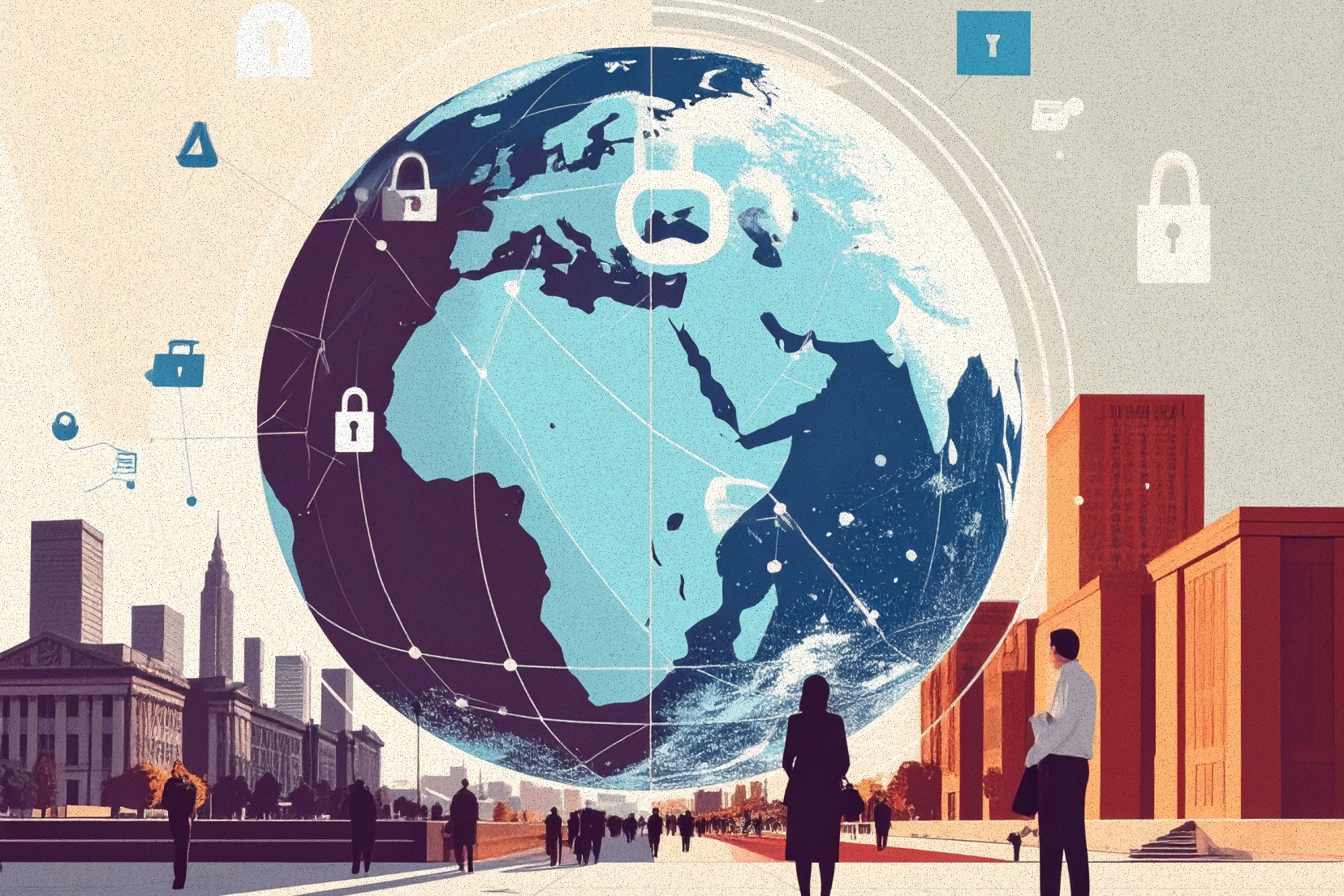
These political, commercial and technological pressures risk fragmenting the internet into a collection of different networks and user experiences. Two users may encounter wholly different internet experiences based on their location and/or which corporation connects them to the internet. (This process is also referred to as “splintering” or “balkanization” and the result is sometimes referred to as “the splinternet”). In fact, internet fragmentation is already occurring in some places. While practices that result in internet fragmentation — via rhetoric, technological developments and legislation — are often enacted by autocratic regimes, they are also increasingly central to internet policy debates in democratic societies.
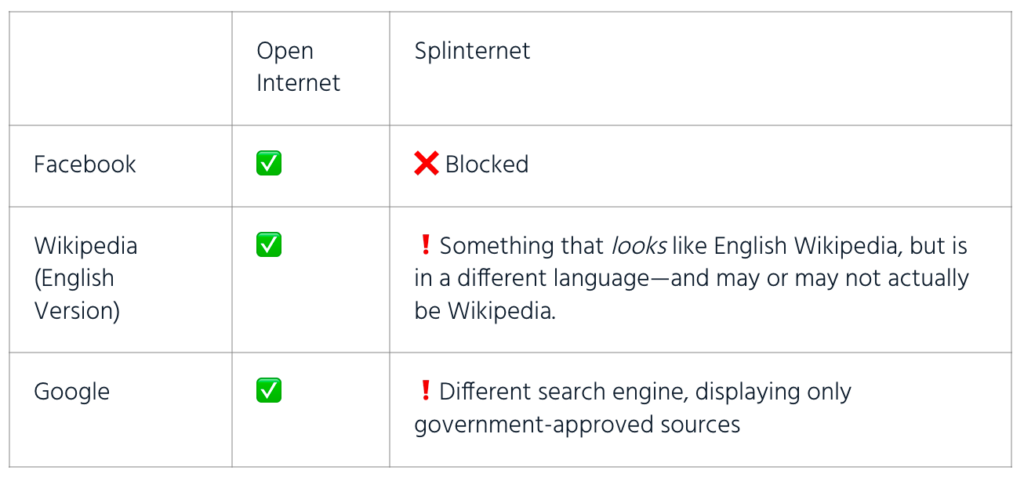
Regulations intended to restrict and/or control online environments can involve several tactics, such as content takedowns, blocked or rerouted websites or platforms, government-ordered network disruptions and versions of the internet entirely closed off from outside providers or services.
In weighing the challenges of this issue, it is helpful to distinguish between two types of internet regulation that result in fragmentation:
- Those where internet fragmentation is intentionally sought out, often to assert state control over data and digital assets or to cut off public access to independent information.
- Those where internet fragmentation is an unanticipated byproduct of governments’ (or corporations’) attempts to prevent the spread of disinformation, address legitimate online harms and/or protect residents’ data from foreign interference.
There are crucial differences between these two approaches, but both introduce risks if they do not include safeguards that protect both user rights and a free flow of global information. The preservation of an open internet is especially critical for the global protection of an independent, competitive news media. Journalists depend on access to open digital communication channels to both document and distribute news, particularly when platforms have been infiltrated or blocked by the state. A number of organizations that analyze internet freedom have found that online censorship and manipulation are growing worldwide. These are powerful threats to press freedom and safety as well as to public access to information.
As governments consider different approaches to internet regulation, they should consider that some policy responses risk facilitating a fragmented internet while others can protect societies from it. The challenge is to ensure they protect the public’s ability to use the internet to create, share and access information as well as journalists’ ability to report and distribute it — both within and across borders.
At its most harmful, internet fragmentation enshrines government and/or corporate power in ways that erode human rights, including those of free expression and privacy. Policymakers must pay greater attention to these effects — even when unintended — to protect and promote an open internet.
What Makes It Complex
I. Internet fragmentation does not have a singular definition. As a result, it is hard to identify and address risks with comprehensive policy.
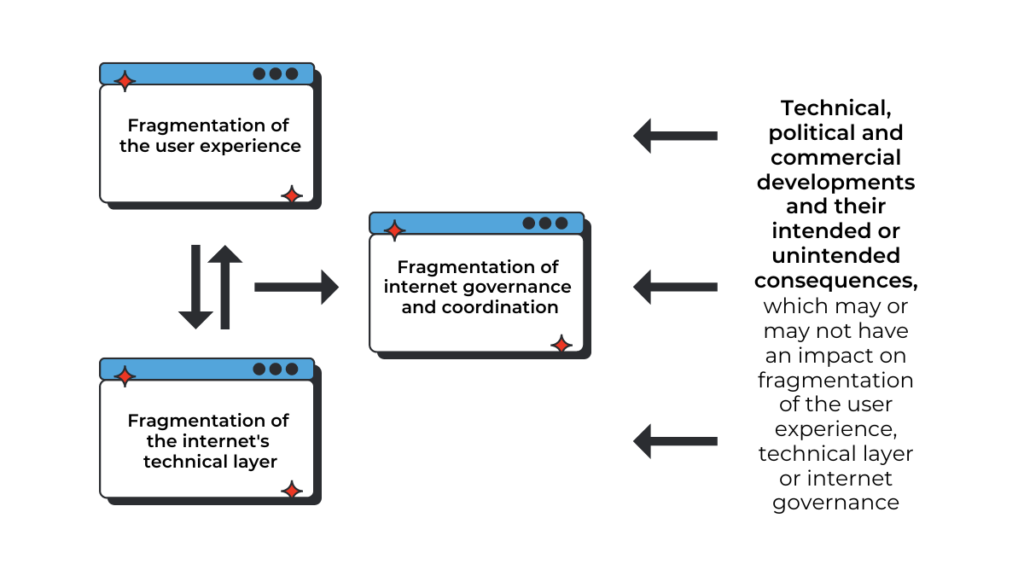
In academic and policy circles, the concept of internet fragmentation is broad and often contested. However, experts frequently cite three dimensions of fragmentation:
- Technical fragmentation, where systems may be completely disconnected from the global internet (e.g., China’s Great Firewall), or there may be other challenges to interoperability, such as websites that only render correctly on certain hardware. (For example, some websites designed for larger screens are very difficult to use on mobile phones — the primary internet device in most of the world.)
- Content or user experience fragmentation, where individuals have different online experiences. In these cases, users may have technical connectivity, but face restrictions in what they can access (e.g., government-approved sources in a Google search or a social media feed, Netflix’s content filtered by geographic controls). It is also important to note that many differences of this type are beneficial, such as language and content localization.
- Political or governance fragmentation, where decisions are made without consensus or where national governments introduce regulations that conflict with existing processes and policies. For example, Ukraine requested in 2022 that Russian domains be disconnected from the internet as a form of sanctions, although this request was ultimately denied.
Each of these types of internet fragmentation introduces different risks, requiring different approaches to address them.
II. Bans on specific digital platforms have become a common response to concerns about online safety and disinformation, but they increase the risk of internet fragmentation and, some argue, threaten free expression.
A growing list of governments around the world have taken — or considered taking — action against TikTok and its Beijing-based parent company ByteDance. These bans respond to ongoing debates around two key issues: the potential national security risks of allowing the Chinese government to access sensitive user data and/or distribute disinformation, and rising concern about children’s online safety on digital platforms. Autocratic governments have also weaponized bans of specific platforms, and some argue that these bans inhibit fundamental rights to access and distribute information in democratic societies. Enforcing bans on specific platforms could also require technical surveillance that could put privacy and civil liberties at risk.
Some argue that there are times when platform bans are justified. For instance, in Brazil, Telegram and X have been blocked temporarily due to failures to comply with lawful requests from the Brazilian Supreme Court.
III. There is legitimate disagreement about the bounds of free speech, even among democratic societies.
There has long been debate over whether and to what extent freedom of expression should include harmful forms of speech like hate speech and disinformation. For example, Germany places much stricter limits on free speech than the United States. More recently, these disagreements have come to the forefront in efforts to regulate online platforms, and are at the root of tensions between the U.S. and the EU. Inconsistent definitions of acceptable speech create more opportunities for fragmentation.
IV. Internet fragmentation presents new challenges for corporations asked to comply with demands that would permit governments’ abuse of power.
At times, governments may demand (including through legislative policy) that platforms provide private data and information on their users or take down content that is otherwise protected by free speech laws in other jurisdictions. If corporations adhere to these demands, they risk enabling government abuse. If they do not, they risk breaking the law, which may lead to fines or bans. These situations have arisen in Malaysia, India, Brazil and the United States which encompass many different sociopolitical contexts, including democratic societies. It is crucial to acknowledge that this issue is multifaceted, and corporations often choose specific jurisdictions and legal frameworks for market and product reasons.
V. Protecting an open internet is not always possible in autocratic societies, but actions taken elsewhere still impact people living under these autocratic regimes.
Citizens, advocacy groups and watchdog organizations often have limited power to stop autocratic action. However, open and globally focused policy discussions raise awareness and, as such, offer a means of pushing back against abuses of power and creating greater accountability. Further, democratic governments can impact people in authoritarian regimes by taking internet governance actions — for better or for worse. For example, while the Iranian regime’s censorship and infrastructure controls form the core of internet restriction, U.S. sanctions exacerbate the problem by further limiting ordinary users’ access to global platforms and services. On the other hand, the EU’s Global Gateway promotes rights-based infrastructure in emerging economies.
VI. Consolidation of infrastructure among a few large companies may counterbalance state power — but it increases other risks.
Every layer of the internet has become consolidated among a few very large companies. There are benefits to this consolidation, notably for users’ security and privacy from the state. However, consolidation can cause problems for internet resilience: when these large companies face attacks or technical problems, the impact is much broader. Moreover, consolidation increases the reach of corporations, worsening the potential impact of state abuse by proxy and corporate-driven fragmentation. Many observers have raised major concerns about corporations’ power over both public and private information.
VII. Zero-rating programs can prevent people from accessing the complete, open internet.
Technology companies, including mobile carriers and app providers, have implemented “zero rating” programs, which provide select content or services without data charges. These programs are offered to attract customers and increase internet access, especially in less wealthy countries, but they can also fragment the internet landscape. By granting free access to certain sources of content but charging for others, these programs can become the arbiters of what content is accessible, creating a tiered internet ecosystem as they promote broader adoption. (For example, Meta offers free internet access to millions of people who would not otherwise have access — but Meta limits what they can access.)
VIII. The contemporary internet is still not a truly universal or open network; technical and linguistic access vary considerably around the world.
Debates around public access to information and international connectivity standards must consider existing barriers to an open, global internet. According to the World Economic Forum, 2.5 billion people still lacked internet access as of September 2024. There are also large gender gaps in internet access in low- and lower-middle-income countries. Even among those who do have access, speeds vary dramatically around the world. And access gaps are not just technical: 85% of internet content is in just 10 of the more than 7,000 languages currently spoken. Even among the dominant languages, the universe of information available online differs from one language to the next. New efforts are just beginning to address this challenge.
IX. Policymakers may not have access to nuanced technical expertise in how the internet works, which can make it harder to foresee unintended consequences.
The internet is complex, and policy development requires evidence-based technical discussions in order to be effectively addressed, especially when it comes to fragmentation. Understanding the layers of the internet stack is vital to identifying technical fragmentation or changes in infrastructure that prevent systems from interoperating and the internet from functioning consistently at all endpoints. However, additional forms of expertise are also important — such as expertise in privacy, bias and disparate effects. That’s because fragmentation is not necessarily only technical in origin. Fragmentation can also be rooted in governmental policies or corporate practices that prevent use of the internet.
State of Research
To date, much of the work on internet governance has centered on “digital authoritarianism” (with a particular focus on China and Russia), as well as some research examining the European Union’s digital sovereignty agenda. We are just now starting to see a growing segment of research focused more broadly on assessing both the extent of internet fragmentation and the mechanisms that contribute to it.
However, most of the research either provides informative case studies or focuses narrowly on the policy context. As a result, there is little systematic research on the scope and impact of shifts in internet governance. Moreover, a lack of consensus about what internet ‘freedom’ and ‘censorship’ entail also means that researchers disagree about appropriate interventions.
As platform bans, data localization and age verification become more commonly discussed approaches to addressing online safety and disinformation, research analyzing the scope and impact of these policy debates will be particularly useful. This includes how particular policy language is adopted in one context and readopted elsewhere over time and on a global scale.
Notable Studies
State of Legislation
The internet is now a central locus of global policymaking as governments increasingly debate how to regulate digital spaces within (and sometimes outside) their own borders. Internet governance includes a broad range of stakeholders and mechanisms including national and international policy as well as infrastructures, technical standards and company policies.
In recent years, there has been a shift towards “digital sovereignty,” or governmental capacity to control or regulate residents’ internet content and their country’s flow of data through its technological infrastructures.
In some cases, legislation attempts to protect societies from a fragmented internet. In others, legislation risks encouraging fragmentation either intentionally or unintentionally. Such legislation includes direct attempts to develop a closed national intranet, interventions to block access to specific platforms or sources of news and information, and broader online governance laws that may introduce indirect consequences for free expression and an open internet. For example, online safety regulations in the European Union, the United Kingdom and the United States may promote protections for residents while risking user experience fragmentation by enhancing controls over what and where content is shown.
Those developing legislation to protect an open internet should consult resources and recommendations provided by global internet experts. Recommendations include limiting governments’ ability to collect or access user data, protecting encryption and VPN access, creating interoperable privacy and governance regimes, and maintaining access to services and platforms.
Notable Legislation
-

Germany
Passed in 2017, Germany’s NetzDG was one of the first online content moderation laws. The EU’s Digital Services Act superseded NetzDG in 2024. Currently, Germany is aggressively prosecuting hate speech online, and some commentators warn that hefty fines may be incentivizing platforms to err on the side of caution and remove legal speech. As a result, German internet users may not be able to access content that is not only available elsewhere but should be legal even in Germany itself.
-
China
Supported by legislation, China’s “Great Firewall” is a sophisticated surveillance and blocking system that prevents Chinese citizens from accessing foreign information sources, internet tools and mobile apps. Some provinces have implemented additional, even stricter censorship. In 2025, China developed ships capable of cutting undersea fiber-optic cables, enabling them to interfere in other countries’ internet access.
-

Ghana
Since 2021, Ghana has been attempting to pass an anti-LGBTQ+ bill that could require social media companies to take down LGBTQ+ content and criminalize the creation and sharing of LGBTQ+ content. While the internet is not the bill’s primary focus, the censorship provisions would make it more difficult for people to share and access information.
-

United Kingdom
The UK’s Online Safety Act entered into force in 2025. The law aims to protect children online, but the methods used for age verification have resulted in widespread surveillance and undermine encryption on a range of sites.
-

European Union
The EU’s comprehensive approach to digital legislation has created new means of safeguarding personal data and human rights. Developers have responded by limiting the availability of certain features by location. For example, rather than developing AI tools that comply with European standards, Meta has chosen not to release AI tools in Europe at all. That means that Meta’s platforms may work substantively differently in Europe than elsewhere.
-
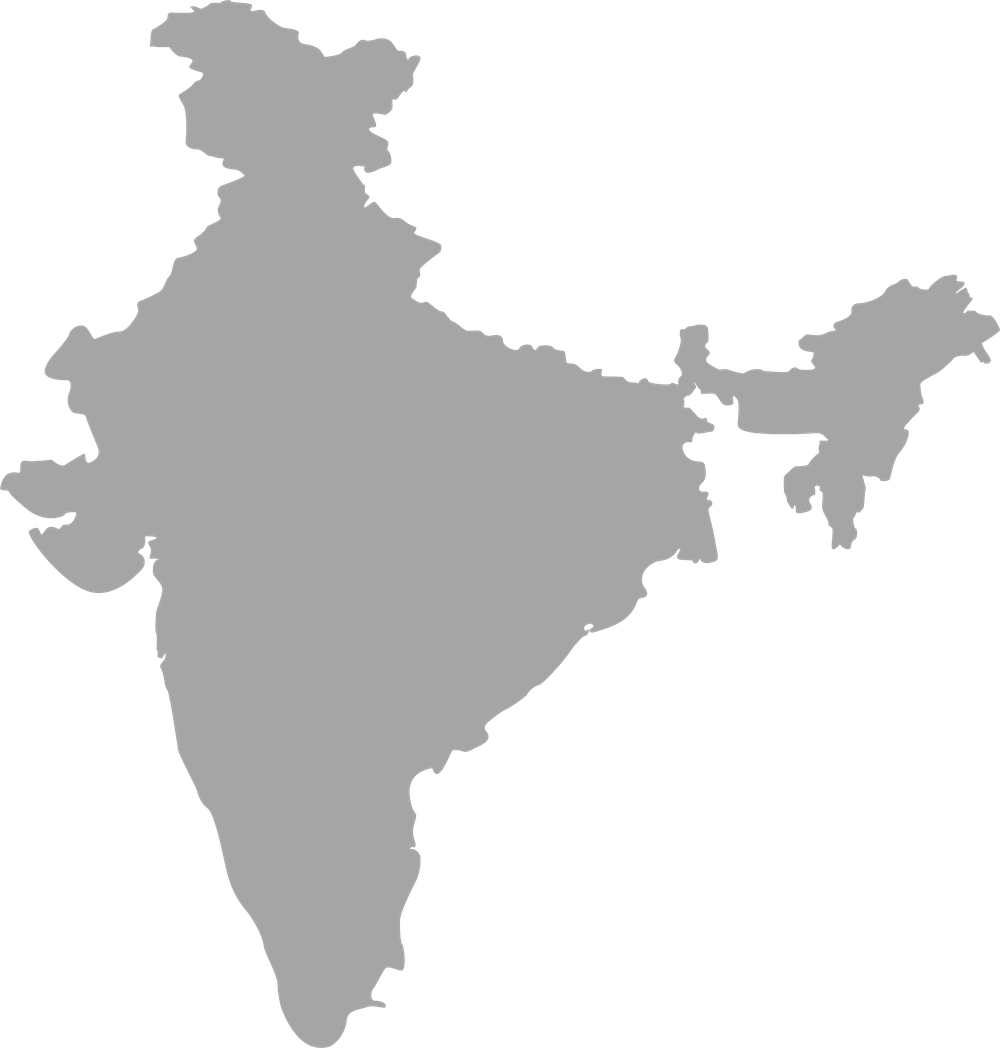
India
India’s government has expanded digital censorship efforts in recent years through legislation, internet shutdowns, platform bans and heightened scrutiny of platforms. The 2023 Telecommunications Act expanded state power to intercept messages, undermining encryption and privacy. New 2025 rules on satellite internet providers require data localization, potentially undermining an open internet. All these policies threaten free expression and an open internet.
-

Iran
Like China, the Iranian government has near-complete control over its internet through the “National Information Network,” first envisioned by the Ministry of Information and Communication Technology in 2005. Despite this, VPNs are widely used, and Starlink has emerged as a less common but viable workaround — even though it is illegal. Moreover, internet shutdowns occurred during the nationwide blackout amid Israeli and American airstrikes from early January 2026 to spring 2026, showing how this control is used during crises.
-
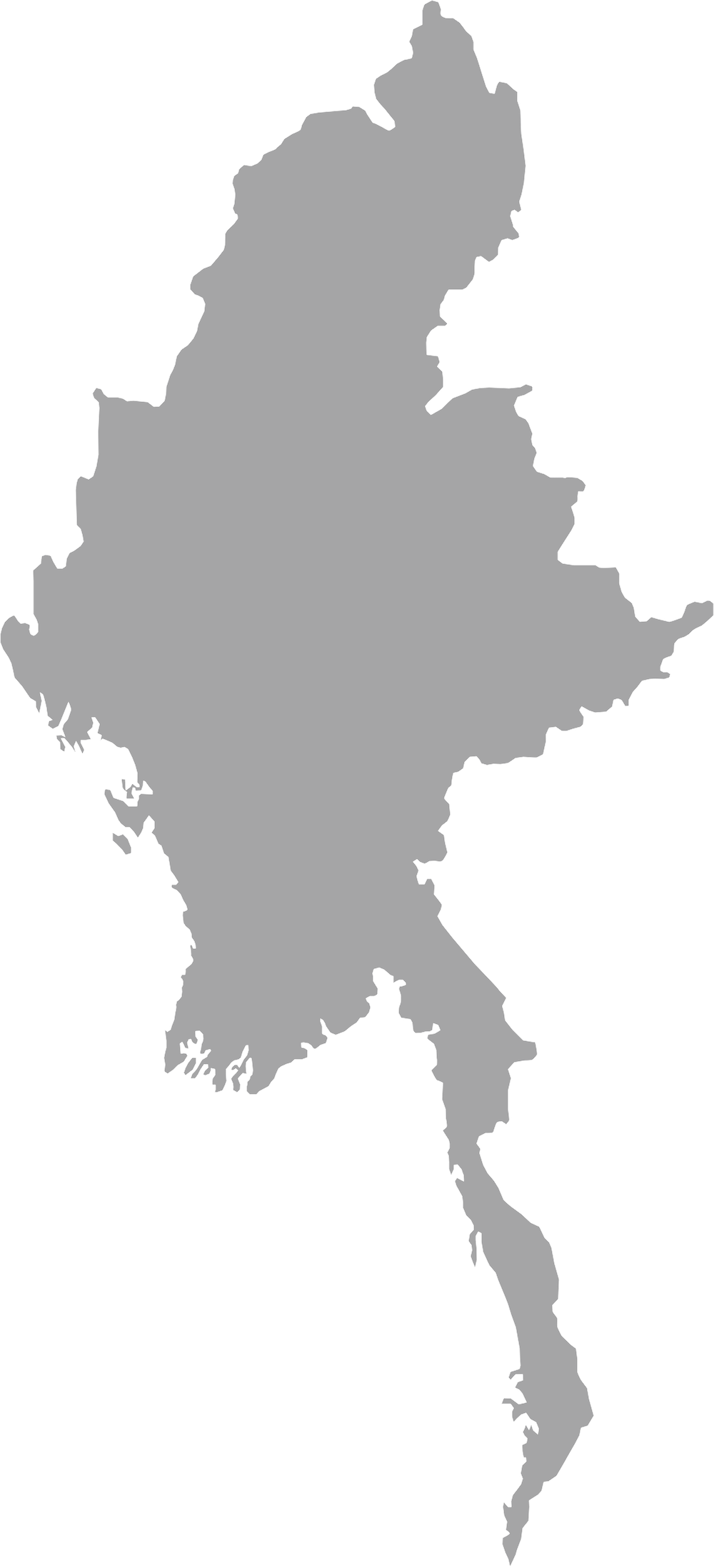
Myanmar
In the midst of Myanmar’s 2021 military coup, soldiers forced telecom operators to shut off the internet to suppress protests and prevent residents from accessing and sharing information with the global community. Since then, the junta has enacted a cybersecurity law criminalizing the use of VPNs, further restricting the free flow of information between Myanmar and the rest of the world. The impacts of this fragmentation have been particularly worrying during natural disasters.
-
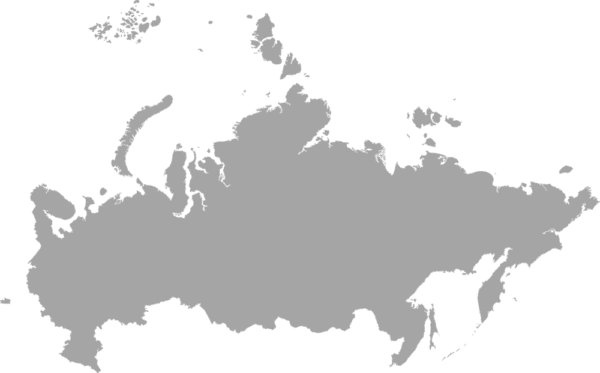
Russia
In 2019, President Vladimir Putin’s government signed a law establishing its “RuNet” intranet plan, though it has yet to come to fruition. Amid the war in Ukraine, Russian forces have attacked Ukrainian internet infrastructure to cause internet outages. Russia’s media watchdog, Roskomnadzor, stepped up efforts in 2022 to block VPN services, preventing citizens from accessing prohibited online content. The government has expanded its ban of VPNs (virtual private networks). This system restricts a free flow of information between Russia and the rest of the world.
-
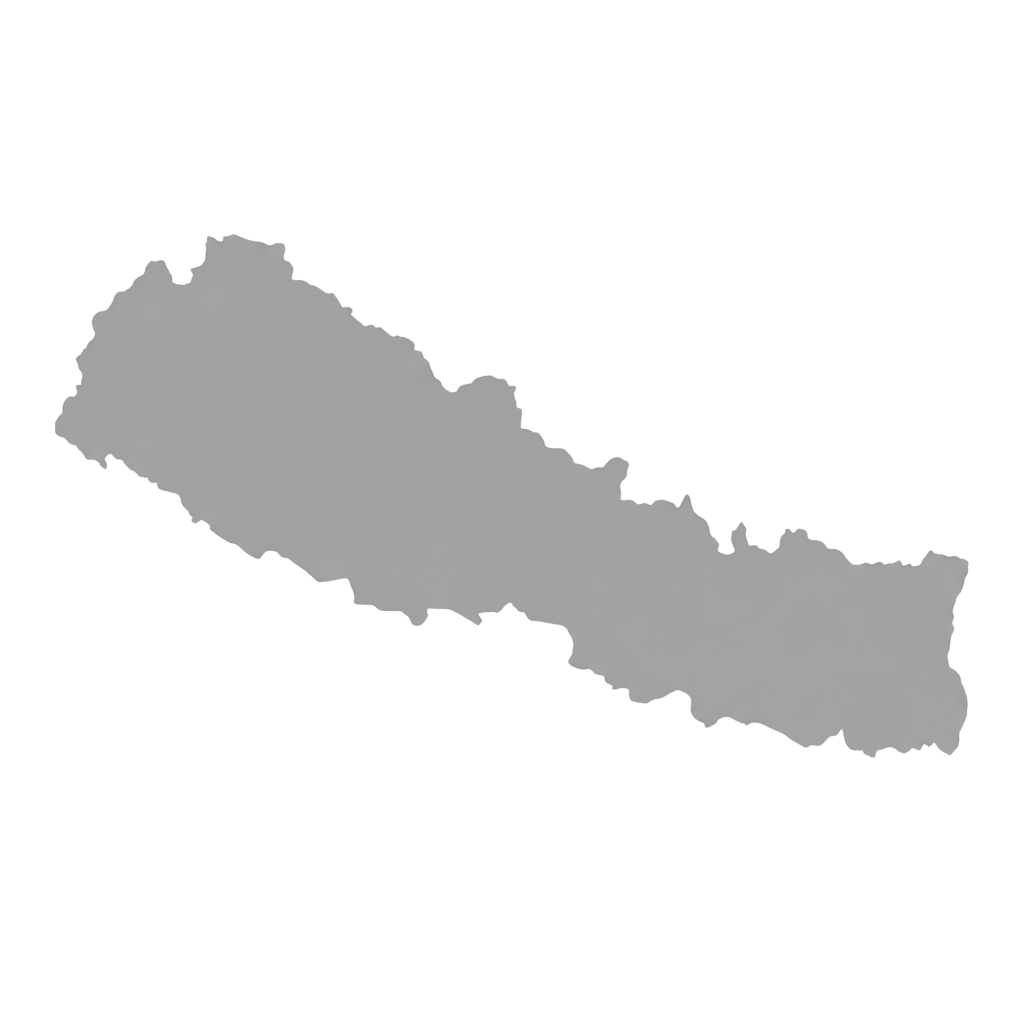
Nepal
In 2025, Nepal blocked the popular messaging app Telegram, citing concerns about fraud. While the country lifted an earlier ban on Tiktok in 2024, digital rights groups raised concerns about proposals to regulate social media. Later the same year, VPNs and social media ultimately enabled a revolution against the restrictive regime.
Archived Resources
Issue primers have been reviewed at multiple stages by more than 20 global research and industry expert partners, including CNTI advisory committee members, representing five regions. We invite you to send us research, legislation and other resources. Read more about CNTI’s issue primer and other research quality standards.
Share